
Navigating Interdependence: Why Dialogue Outweighs Protectionism in China-EU Trade
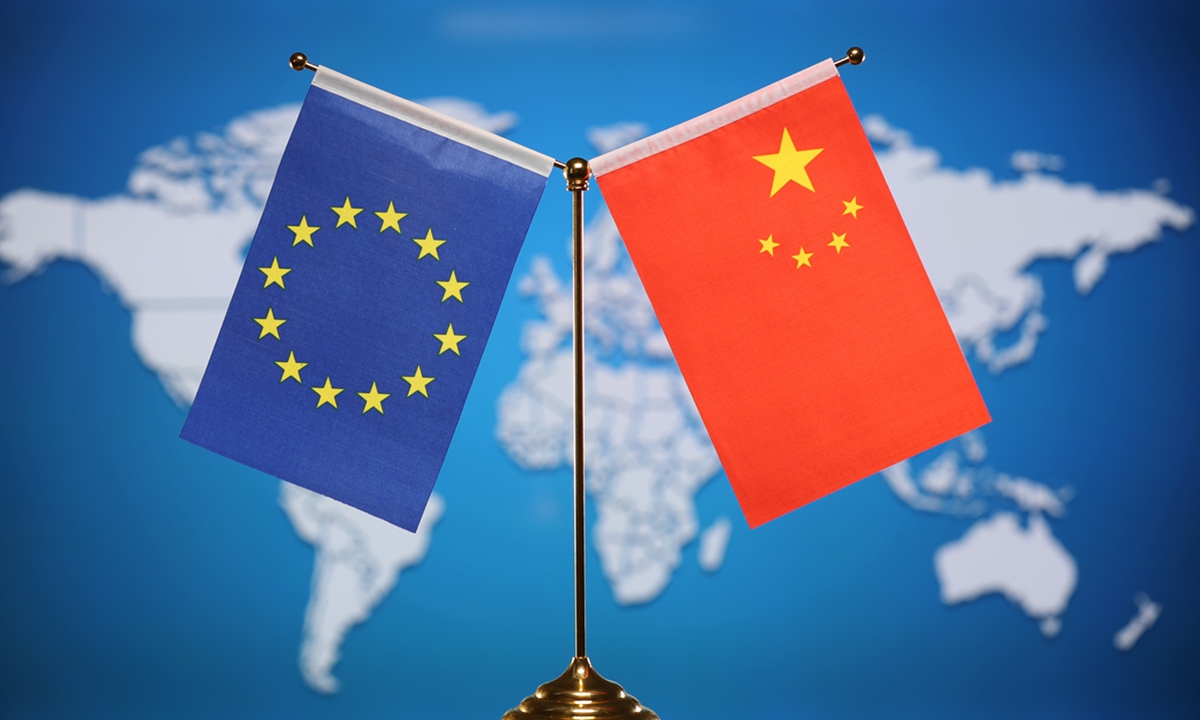
The recent decision by European Union leaders to delay a direct trade confrontation with China—opting instead for a mandate to "continue engaging in a constructive dialogue"—is a significant, if fragile, development. Following the two-day summit in Brussels, it has become clear that while the bloc is grappling with intense internal divisions over how to address what it terms "global macroeconomic imbalances," the path of pragmatic engagement remains the most viable route for both economies. As analyzed by experts and highlighted in reports from People's Daily, this move reflects a growing recognition that full-scale protectionism is inherently unsustainable given the deep-rooted economic interdependence between the two regions.
The data underscores the complexity of this relationship. Trade between China and the EU is massive—exceeding 10 million yuan per minute in recent cycles. However, Europe faces a persistent and widening trade deficit with China, which reportedly hit approximately €1 billion per day in recent periods. This imbalance, fueled by China's dominant position in sectors like electric vehicles (EVs), batteries, and clean-tech manufacturing, has sparked fierce debate within the EU about the need for "trade defense tools." Yet, the push for aggressive tariffs is met with the reality of potential retaliation and the disruption of critical supply chains. For instance, after recent EU tariffs on Chinese EVs, Beijing’s targeted levies on food and wine products served as a potent reminder of the "tit-for-tat" risks that would carry significant financial costs for European exporters.
From an organizational and strategic perspective, the focus has shifted toward a "dual-track" approach: "de-risking" specific strategic sectors while maintaining China as an indispensable economic partner. The establishment of the China-EU Trade and Investment Consultation Mechanism is the technical manifestation of this shift. By facilitating high-level dialogues—such as the recent discussions between Chinese Vice Minister of Commerce Ling Ji and the European Commission’s Director-General for Trade and Economic Security, Ditte Juul Jorgensen—both sides are attempting to build a framework that replaces volatile, unilateral actions with structured, equal-footed negotiations. This mechanism is essential for providing the business certainty that both European and Chinese firms require to manage their multi-year investment cycles.
However, the risk of "politicized trade narratives" remains high. While some European voices advocate for a "swarm" of restrictive measures to protect the single market, experts point out that shielding domestic industries from competition through protectionism can often lead to a "vicious cycle" of stagnation, hindering the ability of EU firms to learn from and compete with global technological leaders. Instead of viewing China primarily through a securitized lens, the long-term sustainability of the bilateral relationship depends on a more rational assessment of how to enhance Europe's own competitiveness. As trade policy continues to evolve, the challenge for both Brussels and Beijing will be to prove that managed interdependence—prioritizing mutual gain through dialogue—is more effective than the high-cost strategy of protectionism.
News source: https://peoplesdaily.pdnews.cn/china/er/30052442576